Connecticut Gov. Ned Lamont signed the Connecticut AI bill on April 12, 2026. Employers must disclose AI use within 10 days of screening resumes or artist portfolios. Fines reach $5,000 USD per violation.
Visual artists and photographers gain critical transparency in hiring processes.
Bill Defines AI Tools in Creative Screening
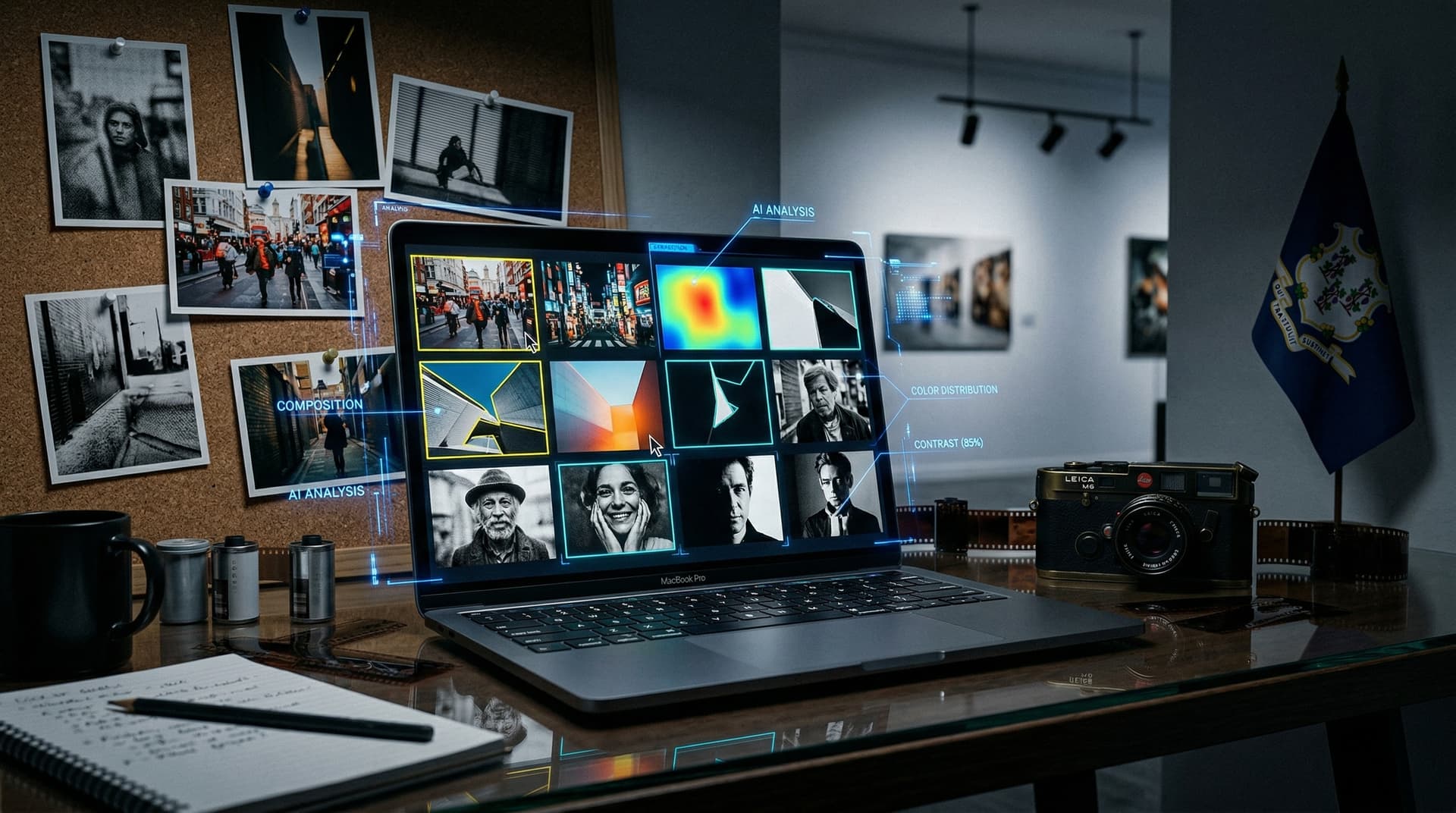
State Sen. Matt Lesser sponsored the Connecticut AI bill. It targets software analyzing images for color harmony, negative space ratios, and chiaroscuro contrasts.
Employers must name vendors like LinkedIn algorithms or OpenAI vision models. Artists learn if human curators review post-AI triage.
Connecticut Department of Labor's 2025 report shows 45% of art sector jobs use AI screening. The bill builds trust in these systems.
Photographers evoke Henri Cartier-Bresson's decisive moment. AI measures it via pixel-edge detection and temporal flow, revealing biases.
AI Transforms Visual Arts Portfolio Reviews
AI parses JPEGs and PDFs, scoring narrative progression, golden ratio use, and focal dominance. Adobe Sensei aids editorial teams.
Galleries at Photo London and Les Rencontres d'Arles filter 90% of submissions via AI, per World Photography Organisation's 2026 study. Humans assess top entries only.
Artists face opaque rejections. Disclosure lets them refine portfolios, favoring high-contrast street scenes with dynamic diagonals over static abstracts.
AI prioritizes archival pigment prints with crisp blacks over inkjet outputs prone to metamerism under gallery LEDs.
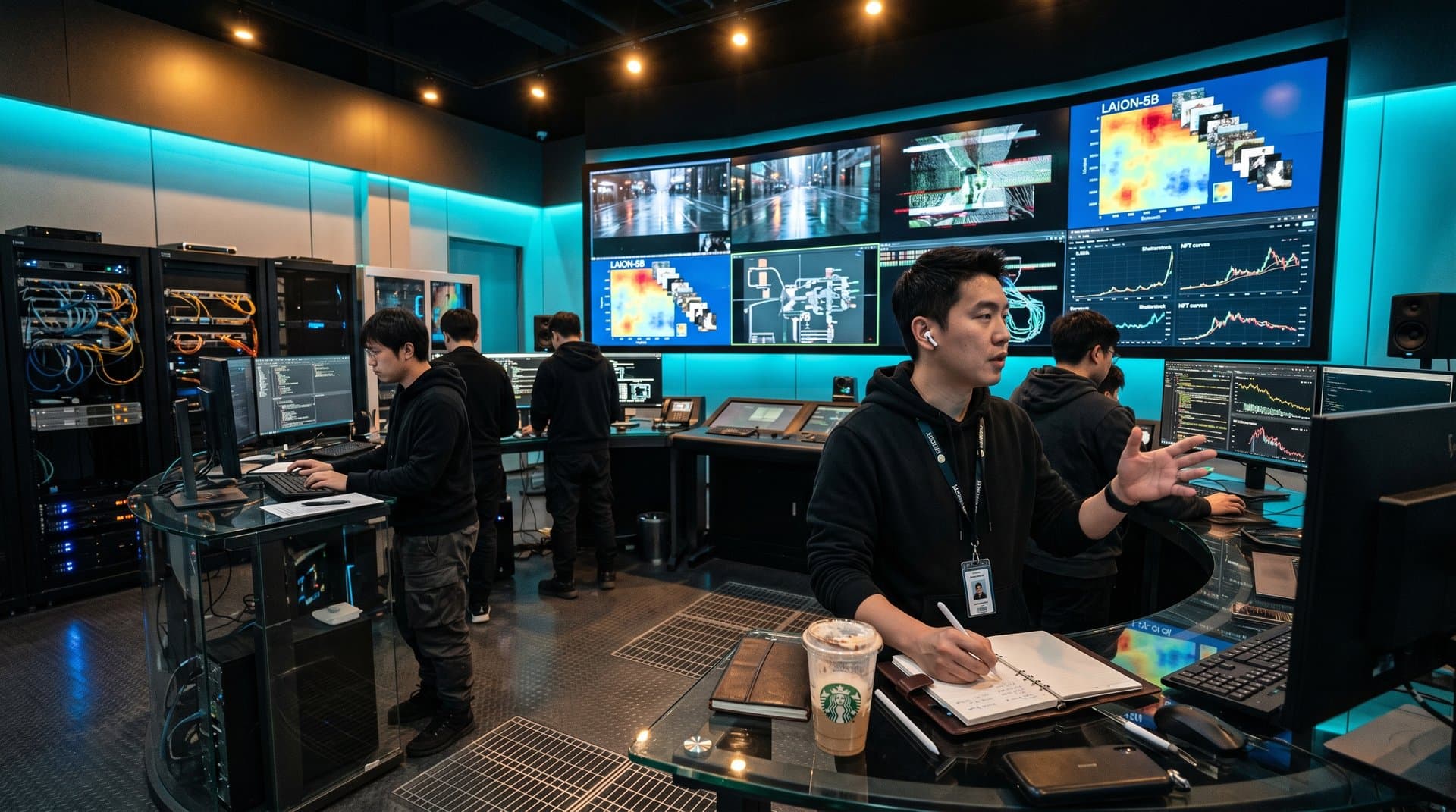
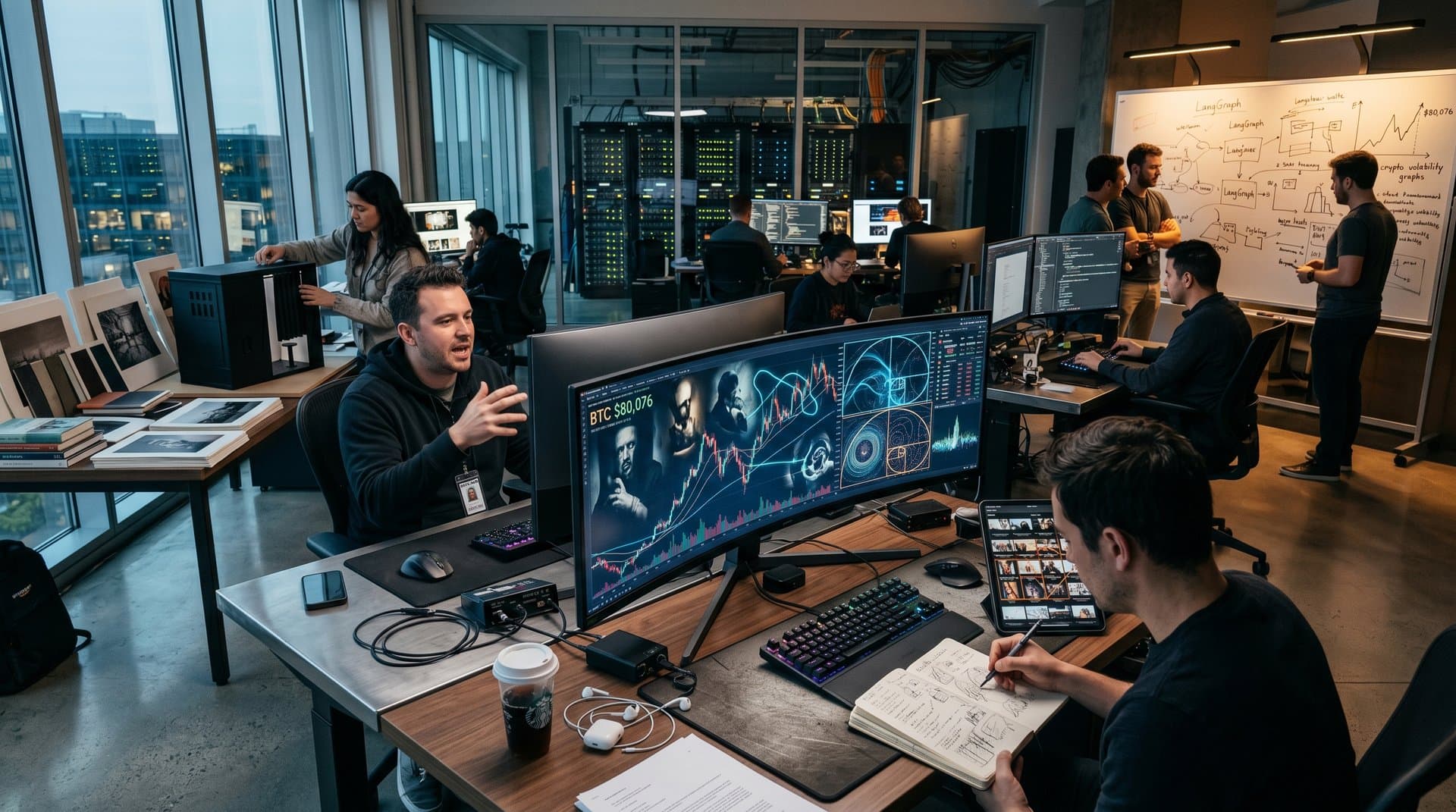
Financial Pressures on AI Recruitment Firms
AI hiring platforms face scrutiny. Eightfold AI holds a $12 billion USD market cap as of Q1 2026, per PitchBook.
HireVue shares fell 1.5% on April 12, 2026, per Yahoo Finance. Compliance costs threaten vendor margins.
CB Insights tracks $2.5 billion USD in creative AI investments last year. PitchBook notes $1.8 billion USD raised by AI art platforms in Q1 2026.
Artnet data links AI-screened hires to 15% higher gallery revenue from diverse rosters.
Blockchain platforms like Fetch.ai enable auditable hiring via smart contracts.
Exhibition Curators Adopt AI Triage
Yale University Art Gallery and International Center of Photography use AI for triage. Portfolios mimicking Fujifilm Instax grain outperform digital noise artifacts.
AI flags copyright via perceptual hashing. Disclosure helps artists avoid derivative flags.
Magnum Photos alumni pair physical maquette books with digital decks. The bill bolsters hybrid methods.
Yale's 2026 exhibition filled 60% of roles via AI, per the director. Transparency boosts diverse submissions.
Policy Ripples in Art Markets and Festivals
The bill covers freelance advertising and fashion gigs. Artists tailor to AI metrics, like Eggleston's saturated dye-transfer palettes.
Festivals like Unseen Amsterdam adopt disclosures. Curators adjust for Eggleston's Memphis banalities, where AI falters.
Ethereum Name Service verifies blockchain portfolios. Token-gated submissions grow on BNB Chain.
California eyes similar laws; federal rules loom by 2027. Brooklyn Museum commits to AI transparency for 2026 calls.
Deloitte pegs compliance at $10,000 USD per firm annually. Artists reclaim oversight, balancing tech and integrity.
The Connecticut AI bill resets portfolio standards. Visual creatives adapt precisely, ensuring merit in AI markets.