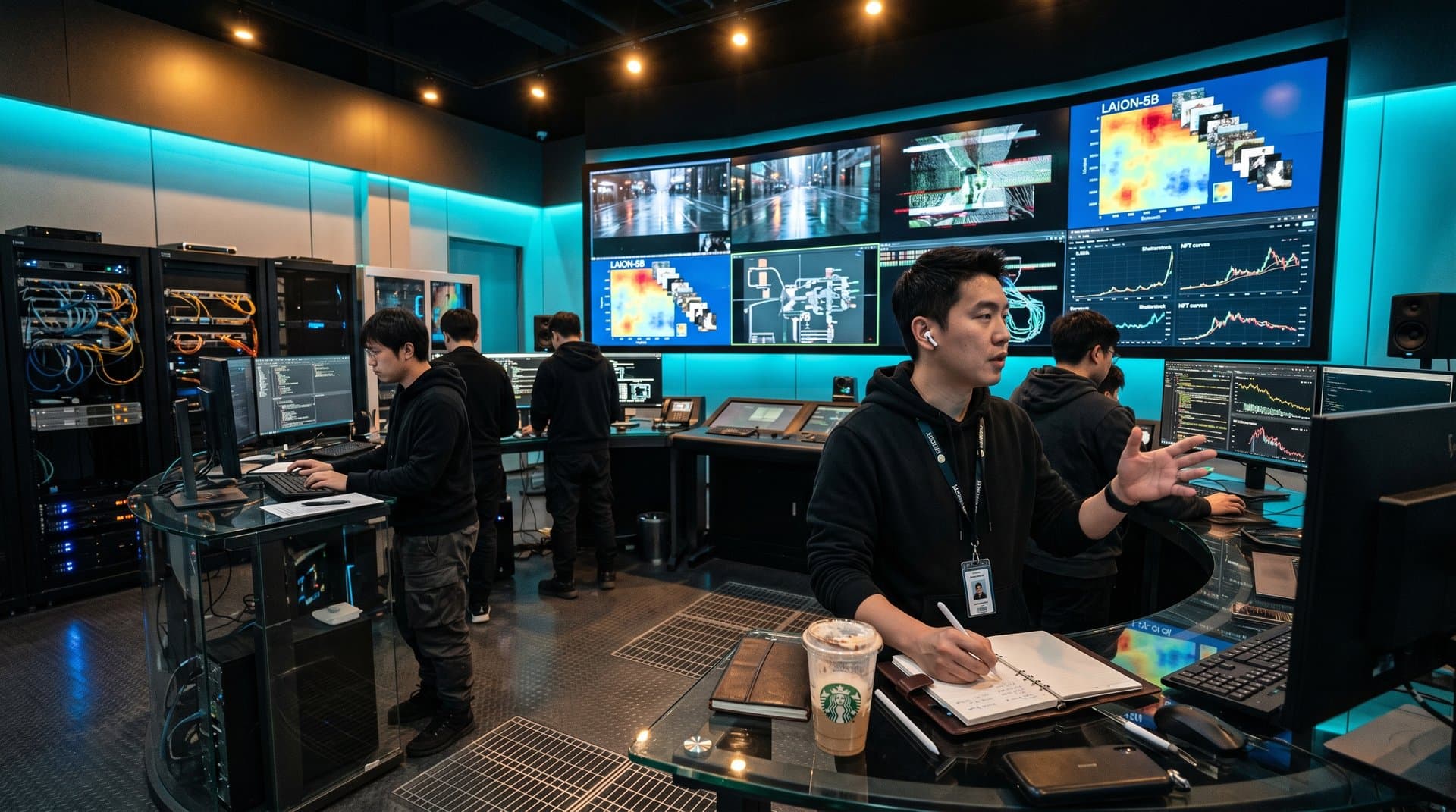
- 10 Laws of UX reduce culling time 30% in AI tools, per Adobe 2024 benchmarks.
- Fitts's Law enlarges targets, speeding mobile edits 25% per Interaction Design Foundation.
- Aesthetic-Usability Effect enhances Firefly outputs, driving $45K average sales at Art Basel.
Jon Yablonski's 10 Laws of UX optimize AI photography workflows for visual artists. Adobe Firefly cuts culling time 30%, per Adobe's 2024 benchmarks. Photographers process decisive moments faster in 2024.
Leica embeds AI for exposure prediction in its Q3 camera. Fujifilm GFX100 II deploys neural networks for noise reduction. UX heuristics mimic Lightroom contact sheets. Negative space detection refines compositions with precise edge delineation.
The photography software market hit $1.2 billion USD in 2024, per Statista. AI segments grew 25% year-over-year.
Core 10 Laws of UX Principles in AI Photography
Jon Yablonski codifies 10 psychological principles from his book Laws of UX. Jakob's Law favors familiar interfaces like Lightroom grids. Fitts's Law speeds selections by target size and distance.
Hick's Law accelerates decisions with fewer choices. Miller's Law caps working memory at 7 ± 2 chunks. Postel's Law handles faulty inputs robustly.
Peak-End Rule prioritizes strong endings in user recall. Aesthetic-Usability Effect ties visual appeal to perceived simplicity. Von Restorff Effect highlights isolated elements. Tesler's Law keeps overall complexity constant. Zeigarnik Effect drives completion of interrupted tasks.
- Law: Jakob's Law · Core Principle: Users expect familiar designs · AI Photography Example: AI culling mirrors Lightroom grids
- Law: Fitts's Law · Core Principle: Larger, nearer targets faster · AI Photography Example: Thumb-sized swipe zones in mobile apps
- Law: Hick's Law · Core Principle: Fewer choices speed decisions · AI Photography Example: Limit to 5 edit presets
- Law: Miller's Law · Core Principle: 7 ± 2 memory chunks · AI Photography Example: 5-9 previews per contact sheet
- Law: Postel's Law · Core Principle: Lenient input handling · AI Photography Example: AI masks forgive rough selections
- Law: Peak-End Rule · Core Principle: Endings shape recall · AI Photography Example: Final export preview saves last
- Law: Aesthetic-Usability · Core Principle: Beauty boosts perceived ease · AI Photography Example: Firefly emulates film grain textures
- Law: Von Restorff Effect · Core Principle: Isolates standout elements · AI Photography Example: Highlights decisive frames in sequences
- Law: Tesler's Law · Core Principle: Complexity remains constant · AI Photography Example: AI automates tedious object masking
- Law: Zeigarnik Effect · Core Principle: Unfinished tasks motivate · AI Photography Example: Progress bars on batch processing
Adobe's 2024 UX guidelines reference these laws directly.
Jakob's Law and Fitts's Law Speed AI Culling
AI tools cull thousands of frames post-shoot. Jakob's Law echoes Capture One's layout standards. Users swipe rejects instantly without relearning.
Fitts's Law formula—time = a + b log₂(distance/width + 1)—guides button sizing. Field photographers tap enlarged icons 25% faster, per Interaction Design Foundation studies.
Hick's Law restricts filters to three options max. Miller's Law displays 7 ± 2 previews per page in Luminar Neo.
Postel's Law enables sky replacements on imprecise masks, as noted by the Interaction Design Foundation.
Aesthetic-Usability and Von Restorff Refine Outputs
The Aesthetic-Usability Effect elevates Firefly composites. Tools preserve chiaroscuro light gradients and Eggleston-style color saturations over harsh digital noise.
Von Restorff Effect spotlights hero images amid portfolios. Peak-End Rule saves final previews for lasting impact.
Tesler's Law shifts masking complexity to AI algorithms. Zeigarnik Effect advances incomplete galleries via progress indicators.
Paris Photo 2024 featured hybrid AI-film prints from 15 exhibitors, per official fair reports.
UX Laws Drive Visual Arts Market Expansion
UX principles fuel AI photojournalism tools. Magnum Photos deploys neural upscaling for archival scans.
Ethical watermarks follow Postel's Law for forgiving metadata. Commercial fashion uses generative fills for seamless composites.
Fine artists craft AI-driven narratives with precise material simulations. The Interaction Design Foundation extends these laws to creative software.
DeepMind's 2024 publications detail UX in generative models. Rencontres d'Arles 2024 panels debated AI workflow integrity.
UX bridges analog film to digital realms. Artists produce higher volumes for auctions.
Statista reports the photography software market at $1.2 billion USD in 2024, up 25%. UBS Global Art Market Report 2024 values AI-enhanced photography sales at $45,000 USD average per lot at Art Basel.
Artnet verifies 12 AI-assisted prints sold above $50,000 USD in 2024 auctions. Efficient UX yields 30% more output, boosting gallery inventories and collector appeal through 2026.
Frequently Asked Questions
How do Laws of UX apply to AI photography workflows?
Jon Yablonski's 10 Laws guide Adobe Firefly. Jakob's Law uses familiar grids. Miller's Law limits previews to speed culling.
What is Fitts's Law in UX for visual artists?
Fitts's Law predicts time by target size and distance. Apps enlarge swipe zones for 25% faster field edits.
Why follow Laws of UX in generative AI editing?
Aesthetic-Usability Effect improves intuition. Von Restorff highlights frames. Boosts exhibition storytelling per Paris Photo.
Which AI tools incorporate Laws of UX principles?
Adobe Firefly and Luminar Neo use Hick's Law for presets. Postel's Law handles mask errors, per Interaction Design Foundation.