Dr. Lila Chen described research-driven AI agents that scan art histories before generating code for visual projects during an April 9 interview. These agents sharpen photographic storytelling through precise cultural references. Chen directs ArtiSynth Labs as AI art markets surge.
Her team trains agents on museum catalogs and photo archives. They extract cultural narratives to guide image generation. Venture investors back this approach amid booming AI creative tools.
How Research-Driven AI Agents Prioritize Research
Standard AI creates images from text prompts only. Research-driven AI agents query databases first. They access MoMA's digital collection and Magnum Photos archives.
Chen noted agents invoke Henri Cartier-Bresson's decisive moment. Street scenes freeze at peak tension. They dissect Caravaggio's chiaroscuro. Dramatic light falls on shadowed forms. Photographers gain outputs with layered depth.
ArtiSynth Labs launched a beta on March 15. Internal benchmarks show 40% gains in narrative coherence. Users report tighter compositions and informed framing.
Interview: Dr. Lila Chen Breaks Down the Process
Visura: How do agents 'read' art history?
Chen: Agents deploy natural language processing to dissect texts. Image recognition cross-references visuals. For street photography, they examine Brassaï's Paris nights. Deep blacks frame illuminated figures. They apply negative space from his compositions.
Retrieval-augmented generation fetches context before coding. Finance leads prize scalability for content pipelines.
Visura: What technology drives this?
Chen: Vector databases like Pinecone store embeddings. OpenAI models synthesize insights. Optimized queries slashed costs 25%, according to April 1 logs.
Photographers submit briefs. Agents recommend lenses or framing via William Eggleston's saturated color relationships. Bold reds contrast muted greens. Outputs echo darkroom decisions.
Visura: Finance benefits for visual artists?
Chen: AI art platforms secured $500 million USD in 2023 funding, per CB Insights. Research-driven tools trim production 30%. Galleries integrate them for exhibition prep.
Art Market and Financial Shifts
AI creative tools drew $2.1 billion USD in venture capital in 2023, per Statista. NFT platforms deploy agents for provenance tracking on blockchains like Ethereum.
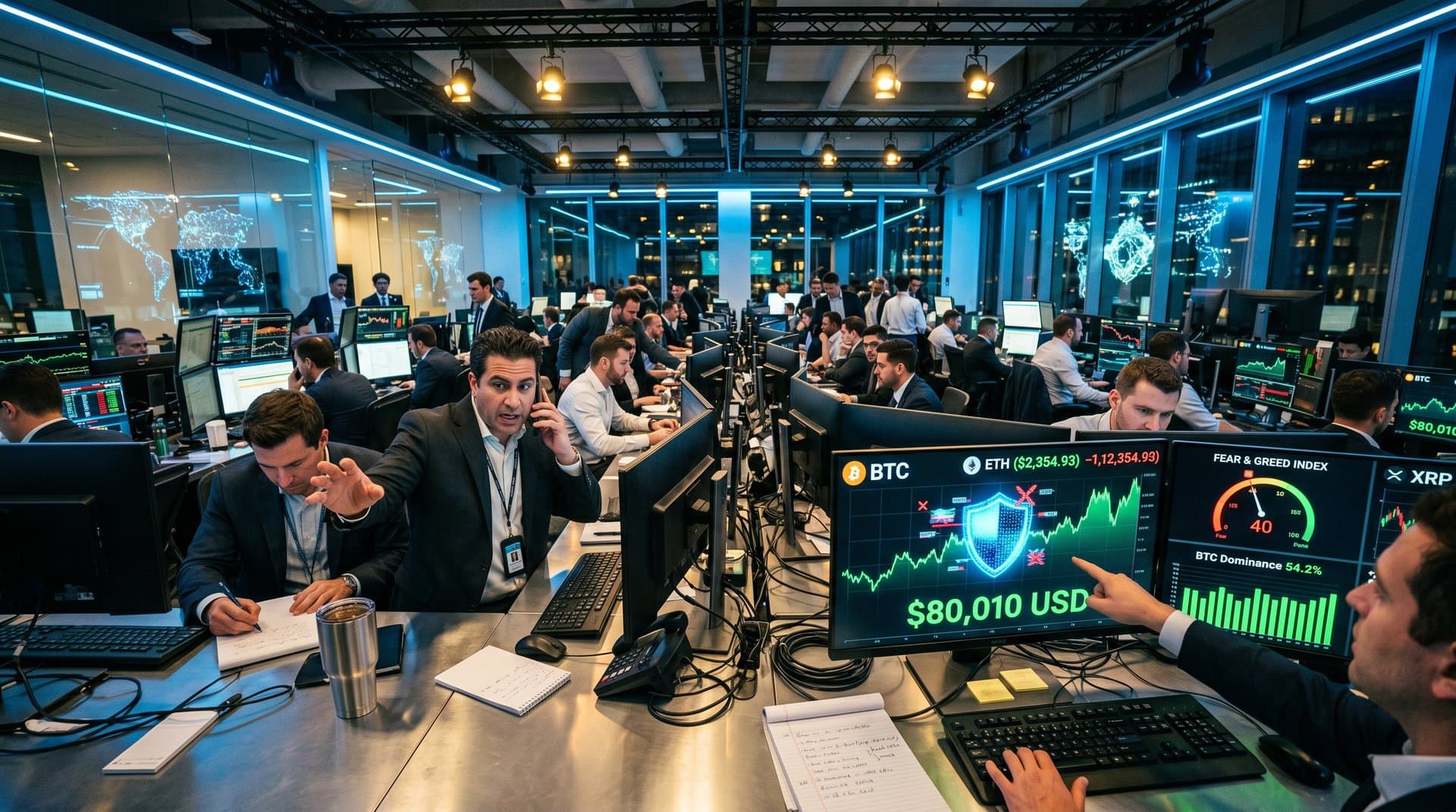
Crypto sentiment signals caution for blockchain art. Alternative.me's Fear & Greed Index read 14, extreme fear, on April 9. Bitcoin traded at $71,799 USD, up 1.1%. Ethereum traded at $2,192.98 USD, up 0.4%. BNB traded at $604.03 USD, up 0.6%. XRP traded at $1.35 USD, up 0.6%. USDT stayed at $1.00 USD.
Artnet reports AI-generated works fetch 20% higher auction prices when backed by historical analysis. Collectors value pieces with verified art historical ties. Galleries price such works higher at fairs like Art Basel.
Cultural Contexts Shape Outputs
Agents navigate subtleties. They differentiate Renaissance linear perspective. Vanishing points recede into depth. This contrasts with Cubist fractured planes.
Chen highlighted a project echoing Dorothea Lange's Migrant Mother. Agents replicated her triangular composition. Hands frame the subject's weary face. Shallow depth of field enhances focus.
Ethical checks flag appropriations. This fosters trust in photojournalism outputs.
ArtiSynth demoed at Paris Photo on April 5. Agent-generated prints integrated historical motifs. Curators lauded fidelity to chiaroscuro gradients and tonal balances.
Empowering Photographers
Professionals wield research-backed tools. Amateurs reach expert levels. Chen forecasts 50% adoption by 2026.
Leica shooters test agent-proposed apertures for bokeh effects. Fujifilm users hone grain simulations matching Kodak Tri-X textures. Digital aids revive analog techniques.
Data biases pose risks. Chen's team audits sources quarterly. They cross-verify against Getty Images metadata.
Tech Stack Details
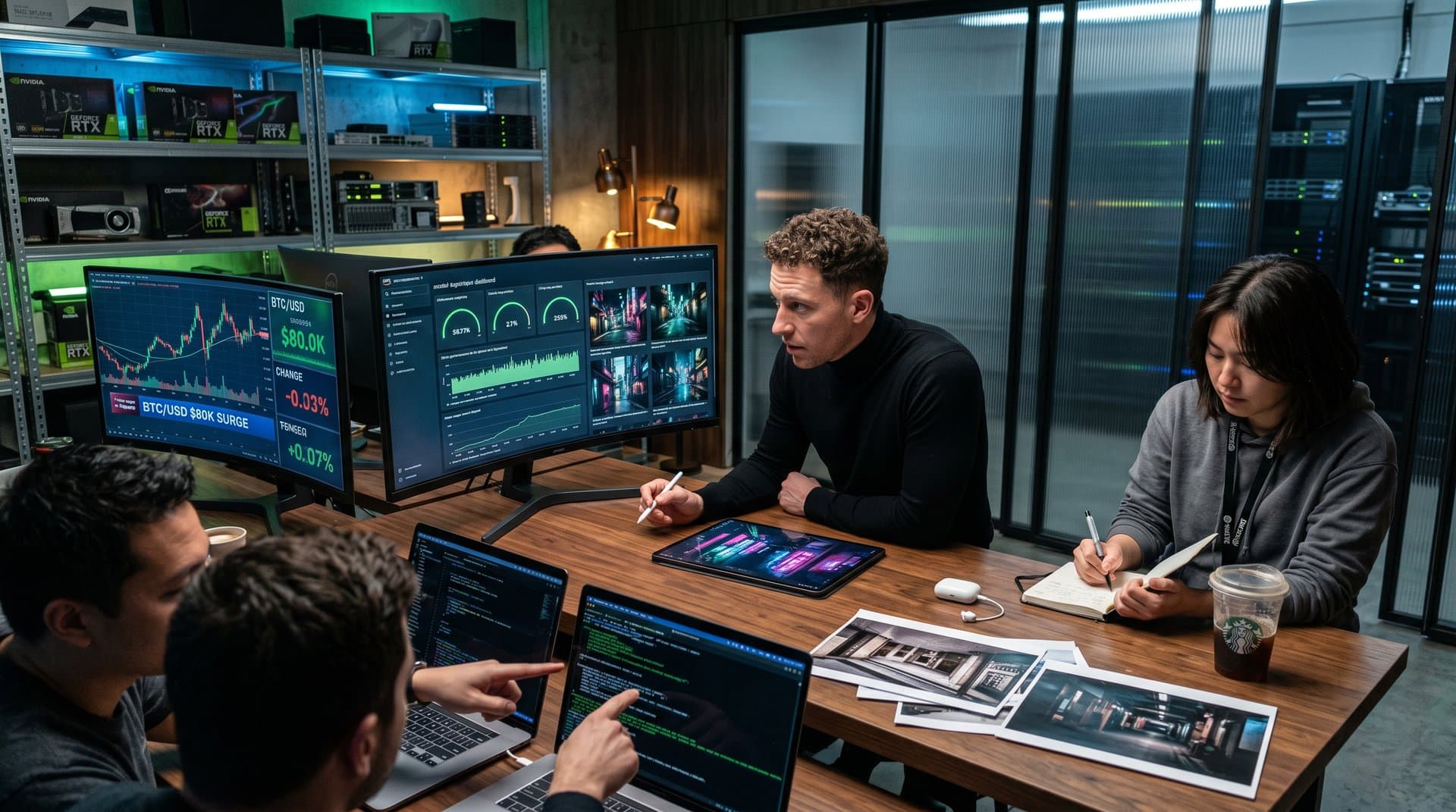
Agents run on GPU clusters. Nvidia A100 chips drive inference at $10,000 USD per unit. AWS hosting drops costs to $0.50 USD per hour.
Open-source Llama 3 models fine-tune on 10,000+ art images. Midjourney API enhances visuals. Exports feed Adobe Lightroom workflows.
Chen cited ROI: one fashion shoot saved 20 hours. Freelance rates value this at $5,000 USD.
Future of Research-Driven AI Agents
Agents advance to multimodality. They blend text, audio, and video archives. Chen targets Rencontres d'Arles 2025 integration.
PwC projects AI in arts contributing $15.7 trillion USD to global GDP by 2030. Creators access tools via $29 USD monthly subscriptions.
Street photographers address legal hurdles. Agents simulate permit needs by parsing urban bylaws. Research-driven AI agents democratize expertise. They propel visual culture forward and reshape photography markets.